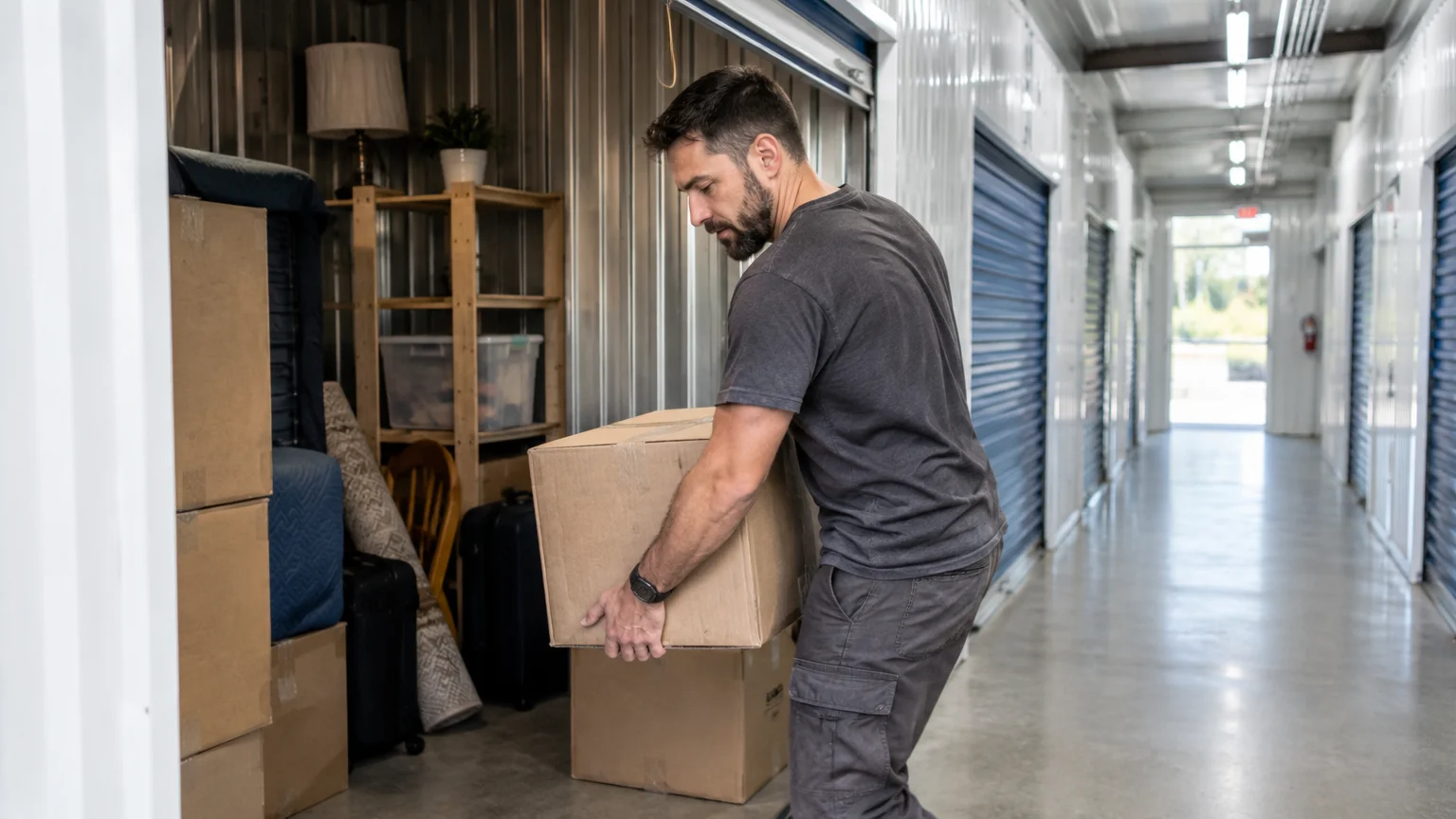
The best way to pack a unit is to plan access before moving anything. Compare self storage unit sizes with your item list, leave clear paths, place needed items near the door, and protect furniture from moisture. This simple plan helps Warner Robins households find belongings without unloading the whole unit.
Storage can help during a move, home project, downsizing plan, or work change. It works best when the unit is treated like a small room, not a place to drop unwanted items. A clear plan also helps renters avoid damage, lost boxes, and last-minute stress.
Warner Robins Movers can help homeowners, tenants, and business owners prepare items for storage. A moving team may handle packing, careful loading, furniture protection, and transport. This help can matter when heavy furniture, stairs, tight halls, or a short timeline are part of the move.
How do self storage unit sizes affect your packing plan?
Self storage unit sizes affect how much can fit and how easy it is to reach each item. The right choice depends on the number of rooms, the shape of large items, and how often the unit will be visited. A unit that seems large enough may still feel crowded after furniture, shelves, and walking space are added.
How should you choose a unit size?
Start with a simple list of your belongings. Include sofas, beds, dressers, appliances, boxes, outdoor items, and business supplies. Measure large pieces when you can, including their height and width. Pay close attention to items that cannot be stacked, such as tables, mirrors, and some appliances.
Think about the storage time and your access needs. A household storing items during a short move may need a different layout than someone keeping seasonal goods for months. A business owner may need room for files, displays, or stock that must be reached often.
Moving containers and moving storage pods can also change the plan. These options may work when items need to stay on a property or move between locations. Before choosing one, check where a container can sit, whether the surface is safe, and whether local property rules apply.
Why should a unit include open space?
Filling every inch makes storage harder to use. Leave a clear path from the door to the back wall, even if that means choosing a different size or storing fewer items. A narrow aisle can help you reach boxes without moving heavy furniture.
Keep doors, vents, and access points clear. Do not lean unstable stacks against the unit door. Extra space helps when plans change, a new box is added, or a needed item sits in back. Warner Robins Movers can help residents plan the loading order when a move includes both home goods and storage.
What should you do before packing a storage unit?
Before packing starts, sort the belongings, measure the largest pieces, and gather the right supplies. This prevents waste and lowers the chance of storing items that should be donated, recycled, sold, or discarded. It also gives the moving team a clear list of what needs careful handling.
How can you sort and prepare belongings?
Use three simple groups: store, move now, and let go. Items that are broken, damp, unsafe, or no longer useful should not go into the unit. Important papers, medicine, food, plants, and other restricted items may need a different plan. Ask the facility about banned goods before loading.
Clean and dry furniture before wrapping it. Empty appliances and leave their doors slightly open when suitable. Wash fabrics, check wood for pests, and remove loose dirt from outdoor items. Never store wet belongings because trapped moisture can spread through boxes and soft goods.
A piano, large safe, or oversized appliance needs special planning. These items are heavy, hard to turn, and easy to damage. Furniture Movers or Packing Services may be a better choice when an item needs special tools, extra people, or custom protection. You do not need a professional for simple sorting, labeling, or light box packing, but heavy lifting should not be forced.
Which supplies make storage safer?
Strong boxes, clean packing paper, stretch wrap, furniture pads, labels, and a marker cover most home needs. Use small boxes for books and other heavy goods. Use medium boxes for general items, and larger boxes only for light belongings such as bedding.
Avoid sealed plastic bags around items that need airflow. Use shelves or pallets to keep boxes off the floor when the facility allows them. Labels should show the room, box number, and a short list of contents. A photo of each large item and each wall can make later checks easier.
How should you arrange a storage unit for easy access?
Arrange the unit from back to front, placing items you use least deep inside. Keep a walking path through the middle or along one side. Boxes you need often should stay near the door, while sturdy furniture can create stable areas farther back.
What should go near the front?
Place seasonal clothing, work supplies, records, tools, and other soon-needed items near the entrance. Mark these boxes clearly and keep them at a safe lifting height. Do not place fragile goods under heavy boxes or behind furniture that cannot be moved easily.
Use a simple map on the first wall or inside the door. Number each section and match those numbers to the inventory. This turns a crowded unit into a system that another person can understand. It also helps when you need one item but cannot recall the exact box.
When using moving storage pods, the same rule applies: items needed first should be loaded last. Check the container floor, door seal, and tie-down points before loading. If a pod will travel, heavy items should sit low and near the center, with fragile goods protected from shifting.
How can you build stable storage zones?
Place heavy boxes on the bottom and lighter boxes above them. Keep stacks low enough to stay steady. Use furniture pads between pieces, and never stack items that may tip, leak, or scratch one another.
Create separate zones for furniture, boxes, appliances, and fragile belongings. Stand mattresses upright only when they are protected and supported. Cover sofas and chairs with breathable furniture pads instead of tight plastic for long storage. Keep glass, mirrors, and artwork upright with padding on both sides.
Do not block sprinklers, vents, lights, or the door. Avoid leaning tall items where they can fall when the door opens. A professional mover can help with narrow entrances, elevators, stairs, or very heavy items. Careful loading lowers injury risk and makes the unit easier to check.
How can you protect stored belongings for several months?
Long-term storage requires clean, dry, stable packing and regular checks. Moisture, temperature changes, pests, and poor airflow can harm wood, fabric, paper, and electronics. The exact risk depends on the building, climate, unit type, and storage rules.
How can moisture and pests be managed?
Use clean pallets or shelving when allowed, and keep boxes away from walls when possible. Breathable covers help furniture release trapped moisture. Do not store damp clothing, wet rugs, food, or anything with a strong smell that may attract pests.
Choose containers that match the item. Plastic bins can help with some small goods, while paper boxes may work better for items that need airflow. Electronics should be clean and dry before packing. The facility should explain whether climate control, pest service, or ventilation is available, but renters should still inspect belongings.
Temperature changes can affect wood, leather, paint, and delicate equipment. Follow the care guidance for valuable items. Review insurance and facility rules before storage, especially for jewelry, documents, artwork, or business equipment.
How should you track stored belongings?
Keep a written or digital inventory outside the unit. Record box numbers, contents, photos, and the date packed. Note where valuable or fragile items sit, but avoid placing sensitive personal details on labels that can be seen from outside.
Review the unit when plans change. Remove items that are no longer needed, replace damaged packing, and check for signs of moisture or pests. A short visit can prevent a small problem from spreading. Warner Robins Movers can help with packing, loading, and transport when a storage move is too large to manage alone.
Frequently Asked Questions
How full should a storage unit be?
A storage unit should have enough open space for safe walking and access. It should not be packed from floor to ceiling with no path. Leave room near the door, protect vents and access points, and keep stacks stable. The right amount of open space depends on how often you need the items.
Can furniture stay in a storage unit for several months?
Furniture can stay in storage for several months when it is clean, dry, covered, and supported. Use breathable pads, keep pieces off damp floors, and avoid tight plastic around wood or fabric. Check the unit from time to time for moisture, pests, shifting stacks, or damaged covers.
Are moving pods useful for storage during a move?
Moving pods can help when belongings need to stay on a property, travel to another location, or wait between homes. Confirm placement rules, loading limits, access needs, and protection from weather. A clear loading plan matters because the first items loaded may be the hardest to reach.
Should someone hire movers to pack a storage unit?
A professional is not needed for light sorting, labeling, or small boxes. Movers can help when the unit includes heavy furniture, fragile goods, stairs, elevators, or a tight deadline. Furniture Movers and Packing Services may lower injury risk and help create a layout that is safer to use.
Conclusion
A storage unit stays useful when the plan starts before loading. Compare self storage unit sizes with the item list, remove what does not belong, protect each item, and leave a clear path. Place needed belongings near the front and keep an inventory outside the unit.
For renters and businesses in Warner Robins, this approach can make storage easier to use.
Key takeaways
- Choose space based on items and access needs, not boxes alone.
- Sort, clean, dry, and label belongings before loading.
- Leave an aisle and keep heavy items low and stable.
- Protect furniture and boxes from moisture, pests, and shifting.
- Use an inventory so needed items can be found quickly.
When packing feels unsafe or too large to manage, Warner Robins Movers can help organize the move and storage load. Contact us to discuss a moving plan for your household or business.